Pages

Tuesday, 19 March 2019

Powders Experiment..

Today you will be a forensic chemist.
A bag of white powder has been confiscated by the airport customs. You need to find out what white powder it is?


Aim: To learn about the makeup of different white powders.


There are  a number of different white powders in our everyday life. Some of these are harmful and others are not. Test the four white powders listed to see which one has been found at the airport.


Here are some examples of everyday kitchen white powders.

Flour

Cornflour

Sugar

Salt

Baking Soda

Baking Powder

Icing Sugar

Tartaric Acid

Citric Acid

Gluten Free flour


Materials


1.  Paper
2.  Magnifying glass
3.  1 spoon of sugar
4.  1 spoon of salt
5.  1 spoon of baking soda
6.  1 spoon of corn flour
7. Pipette
8. Iodine
9. Vinegar
10. Water
11. Pen


Upload a photo of each powder.


1.  Cornflour
2.  Baking Soda
3.  Salt
4. Sugar


On the black cardboard using a microscope you need to record what you see. You will be given a small amount of 4 white powders on your cardboard. Look at them under your microscope and record what you see.
Do not mix the powders or taste the powders.
The pictures without the chemicals.
Findings:


Sugar
Salt
Baking Soda
Cornflour
Appearance
Cube crystals
Mix of crystals and powder
Thin powder
Thick chunky powder
Texture
rough
Thin, powdery, rough
soft
Thin and very soft
Smell
Sweet
none
chemical
Something sour
Iodine
absorbed
absorbed
thickened
Did not absorb
Water
absorbed
absorbed
thickened
No reaction
Vinegar
absorbed
Turned purple
fizzy
No reaction


Write a paragraph about your findings.
In our experiment we did white powder we had 4 different kinds of powder they were sugar, salt, baking soda, cornflour. We had to separate each powder into 3 and then one kind of liquid had to be added to one part in each powder. The liquids were iodine, water, and vinegar.
Sugar:
When we felt the sugar it was rock and felt like small rocks, when we looked at the sugar with the magnifier it looked like small cube crystals. When we added Iodine the sugar absorbed it and it kind of looked like frozen coke and when we added the water it also absorbed then we added vinegar and it has the same reaction.
Salt:
When we felt the salt it was a thin powdery rough texture when we look at it it look like a mixed of powder and crystals. When we added Iodine it was  absorbing, then we added vinegar it turned into the colour purple.Then we added water and it absorbed the water.
Baking Soda:
The texture of baking soda was very soft and thin when we look at it with the magnifying glass it look like a thin powder.When we added water and it thickened kind of look like a sand in it and then we added the Iodine and it also thickened,when we added the vinegar it started to fizz.
Cornflour :

When we checked out the cornflour it was thick chunky powder and the feeling of the powder was thin and very soft then we added the Iodine it did not absorb and also the rest of water and vinegar had the reaction where it did not absorb.

Making Sherbet


Using the following recipe you need to make sherbet.
Sherbet recipe

Recipe:

1tsp of powdered drink crystals (eg refresh)
1/4 tsp citric acid
1/4 tsp tartaric acid
1/4 tsp -baking soda.
Put all ingredients into a zip lock bag, stir, and enjoy.

Materials:

1.  Raro
2.  Cup/bag
3.  Spoon
4.  Baking soda
5.  Icing sugar
6. Tare tare acid
7. Citric acid

Findings:


Sherbet

Taste
It tastes sweet and sour it also is a bit fizzy
Colour
Pink

Conclusion


It has a sweet and sour taste it is also very fizzy when you put it in you mouth it has a pink colour and tastes NEARLY like sherbet, and when you put it on your mouth it taste weird and at the end it taste really sour.

Sunday, 17 March 2019

Plants...

Plants


AIM: To learn about nature of plants.


Plants fall into 2 categories
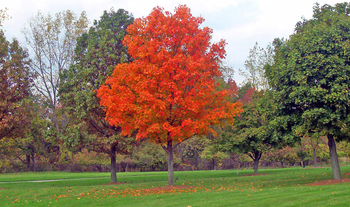
  1. Deciduous
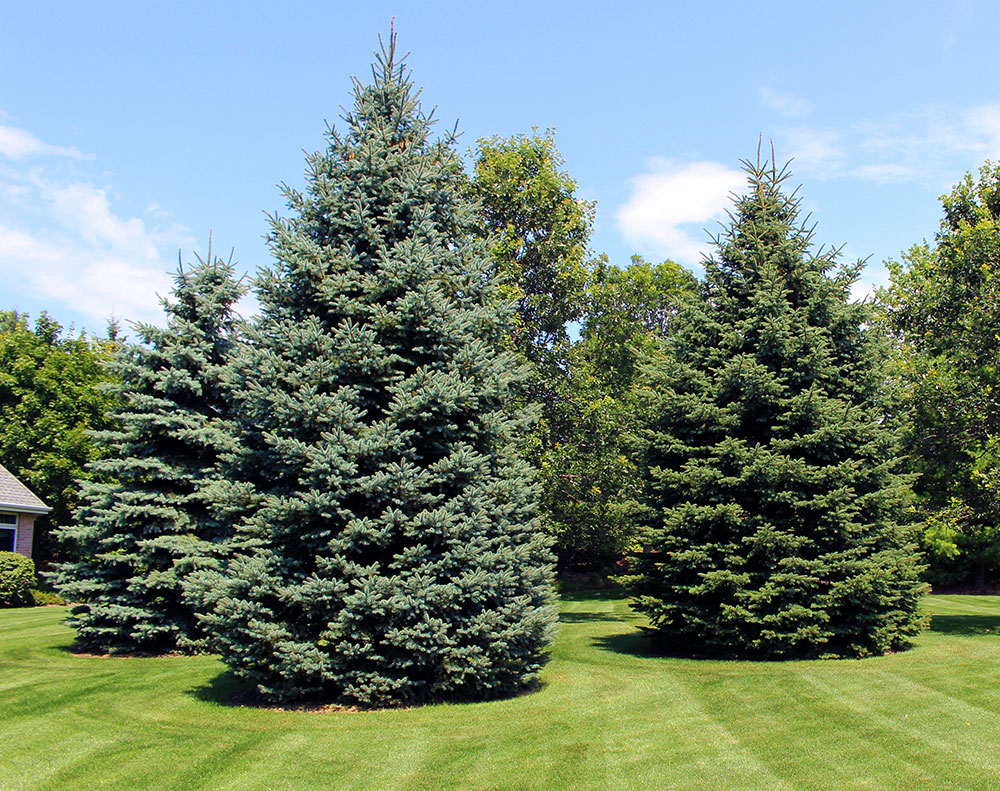
  2. Evergreen

Deciduous definition-
Deciduous is when the tree is shed after a time and unusually.


Evergreen definition-
Evergreen is a plant that retains green leaves throughout the year.


Examples of the trees.


Related image
                                                 Evergreen.


Image result for deciduous
                                            Deciduous.


Deciduous trees
  1. Oak tree
  2. Hickory tree
  3. Maple tree
   
       Evergreen trees
         1. Kauri tree
         2. Titoki tree
  3. Pine tree  

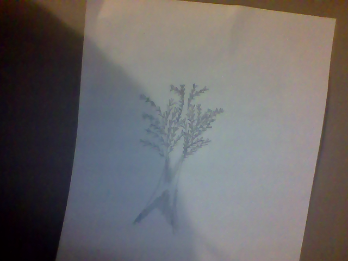
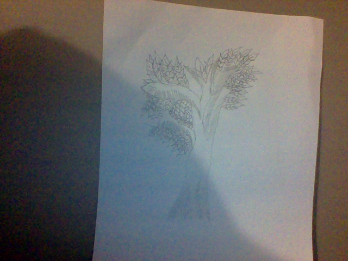
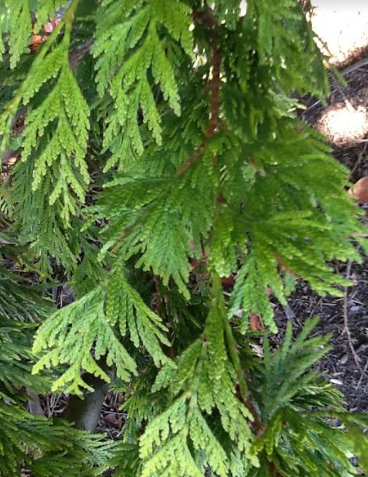
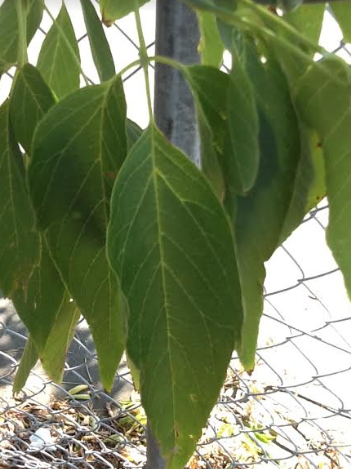
My leaf collection.


Plant type: Evergreen
Leaf type:Simple
Leaf colour: Green
Photo of leaf:
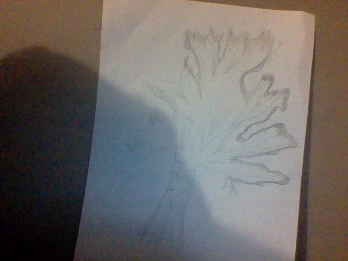
      Plant drawing:


Plant type: Deciduous
Leaf type:Compound
Leaf colour:Green/Brown
Photo of leaf:
Plant drawing:
Plant type: Deciduous
Leaf type:Simple
Leaf colour:Green close to yellow
Photo of leaf:
Plant drawing:
Plant type: Evergreen
Leaf type:Compound
Leaf colour:Green
Photo of leaf:
Plant drawing:
Plant type: Deciduous
Leaf type:Compound
Leaf colour:Green with yellow tips in it
Photo of leaf:
Plant drawing:
Plant type: Evergreen
Leaf type:Compound
Leaf colour: Dark green
Photo of leaf:
Plant drawing:


Research time!
Example:
Carnivorous plants
Pine trees
Fruit trees
NZ Natives

Carnivorous plants: California Pitcher Plant,
Cephalotus Follicularis, Aldrovanda vesiculosa,
Nepenthes Ampullaria.
California Pitcher plants:
Habitat- Moist and bog areas
Country- Northern California
Climate-warm up in the summer months keeping the roots coll during the day is a must

Cephalotus Follicularis:
Habitat- Lives on the morgins of freshwater wetlands,ditches and slow streams
Country-Australia (Western Australia)
Climate-Above 90 degrees fahrenheit (32 degrees celsius)

Aldrovanda vesiculosa:
Habitat- Found in nutrient impoverished, dystrophic water, clean shallow, wma standing water with bright light.
Country- Europe, Asia, Africa and Australia.
Climate-the temperature must be at least 16 degrees Celsius (61 degrees Celsius with 32 degrees Celsius and 90 degrees Fahrenheit) but the deal temperature are 23-30 degrees Celsius(73-86 degrees Fahrenheit.

Nepenthes Ampullaria:
Habitat - generally grows in damp, shady forest form sea-level to 2100 attitude.
country - Gorneo, the Mameluke Island, New Guinea,Peninsular Malaysia Singapore and Thailand.
Climate- right level of humidity and temperature.

Pine trees: Scots pine,Stone pine,Ponderosa pine and Pitch Pine
Scots pine:
Habitat - sandy upland forests, sandy savannas,upland rocky woodlands, and open disturbed areas near cities and suburbs.
Country- This is native to Eurasia, ranging from Western Europe to Eastern Siberia, south to the Caucasus Mountains and Anatolia, and north to well inside the Arctic Circle in Scandinavia.
Climate- At elevations up to 1200 m, the climatic conditions become too warm and too dry for the Scots pine growing in the Wallis.
Stone pine:
Habitat - habitats from coastal areas through to inland foothills. They particularly favour the alluvial soils of flood plains, swamps and lake sides where they like growing in full sunlight.
Country - The tree is native to the Mediterranean region, occurring in Southern Europe, Israel, Lebanon and Syria.
Climate - Its needles brown in colder weather or wind. ... The pine cones of the Italian stone pine mature in autumn.

Ponderosa pine
Habitat- In Northern California, ponderosa pine stands occur above coastal oak woodland, valley oak woodland, blue oak woodland, blue oak-digger pine and below mixed conifer.
Climate- Ponderosa pine is typically dominant on warm, dry sites with a short growing season and very low summer precipitation. Temperatures annual average 41° to 50° F with extremes ranging from -40° to 100° F.
Country- western United States and Canada. It is the most widely distributed pine species in North America.

Pitch pine:
Habitat- Pitch pine occupies eastern United States habitats from central Maine south to northern Georgia
Country- The pitch pine is found from Southern Maine to New York, south to Virginia and southern Ohio, and in the mountains to eastern Tennessee and Kentucky, northern Georgia, and western North and South Carolina,Climate- Warm and Moderate.

Fruits Trees: Peach, Avocado, Coconut, Papaya.

Peach:
Habitat-to the region of Northwest China between the Tarim Basin and the north slopes of the Kunlun Mountains,where it was first domesticated and cultivated
Country-California, South Carolina, Georgia and New Jersey.
Climate-A peach tree can bear up to 66 pounds (30 kg) of fruit each year. Climate and site. Peaches grow best in USDA zones 5 through 9. Peach trees require a chilling period of between 600 and 900 hours at a temperature of 45 degrees Fahrenheit or less each winter in order to fruit the next season.

Avocado:
Habitat-avocado trees tolerate include clay, sand, acidic and alkaline soils, with optimum soil. 
Country-such as the southernmost regions of Florida, Texas, Arizona or California.
Climate-avocado tree in the shade or even as a houseplant, it will only thrive and produce fruit outdoors in a climate with plenty of sun and relatively warm temperatures.

Coconut:
Habitat- such as mangroves; an example of such damage to an ecoregion is in the Petenes mangroves of the Yucatán.
Country-Philippines and Indonesia, while India and Sri Lanka.
Climate-Coconut palms are normally cultivated in hot and wet tropical climates. They need year round warmth and moisture to grow well and fruit.

Papaya:
Habitat- Papaya habitat was in the forest.
Country-Originally from southern Mexico (particularly Chiapas and Veracruz), Central America, and northern South America, the papaya is now cultivated in most tropical countries.
Climate-To grow good papayas you need a frost free climate, lots of sunlight, lots of water and very good soil.

NZ Natives: Manuka, Marbeleaf, Rimu, Kauri.

Manuka:
Habitat-New Zealand and southeast Australia.
Country-New Zealand
Climate-Manuka plants are special because they are resilient and can grow in extreme weathers/climates. They can grow in harsh soils like and steep wild country. 

Marbeleaf:
Habitat- Native in New Zealand.
Country-New Zeland.
Climate- can be as cold as -10 degrees Celsious in winter, most of the country lies close to the coast, which means mild temperatures, moderate rainfall, and abundant sunshine.

Rimu:
Habitat-native conifer you'll find around New Zealand.
Country-New Zealand. It can be found around much of the North Island and the lowland forests of the South Island, especially on the West Coast.
Climate- the Rimu tree climate was cold.

Kauri:
Habitat-coniferous tree found north of 38°S in the northern districts of New Zealand's North Island.
Country- New Zealand.
Climate- coniferous tree found north of 38°S in the northern districts of New Zealand's North Island.

Thank you and see on my next blog...