Pages

Wednesday, 13 March 2019

7 types crystals...

AIM: TO LOOK AT THE 7 DIFFERENT TYPES OF CRYSTALS

The 7 types of crystals

Type
Number of sides
2 examples
Image
Triclinic
Definition:
It’s a denoting crystals system or three-dimensional geometrical arrangement having three unequal oblique axes.


Six faces,and 12 edges.
Feldspar
Rhodonite
Related image
Monoclinic
Definition:
Relating to a crystal having three axes of different lengths. Two of the axes are at oblique angles to each other, and the third axis is perpendicular to the plane that is made by the other two. The mineral gypsum has monoclinic crystals. See Illustration at crystal .
8 sides/faces
Mica
Gypsum
Orthombic
Definition:
Designating or of a crystal system having three axes of unequal length, each of which intersects at right angles with the others
Six faces/sides, 12 edges
Sulfur
Staurolite
Image result for orthorhombic crystal
Trigonal
Definition:

Relating to a crystal having three axes of equal length intersecting at oblique angles. This crystal system is considered a subset of the hexagonal system. The mineral quartz has trigonal crystals. Also called rhombohedral See illustration at crystal .
5 faces/sides
Cinnabar
Abhurite.
Image result for trigonal crystal
Hexagonal
Definition:

Relating to a crystal having three axes of equal length intersecting at angles of 60° in one plane, and a fourth axis of a different length that is perpendicular to this plane. The mineral calcite has hexagonal crystals. See illustration at crystal .
8 faces/sides
Quartz
Calcite
Image result for hexagonal crystal
Cubic
Definition:
Relating to a crystal having three axes of equal length intersecting at right angles. The mineral pyrite has cubic crystals.Also called isometric.
12 edges.
Halite
Galena
Image result for cubic crystal
Tetragonal
Definition:
Relating to a crystal having three axes, two of which are of the same length and are at right angles to each other. The third axis is perpendicular to these. The mineral zircon has tetragonal crystals
4 faces/sides
Zircon
Chalcopyrite
Image result for tetragonal crystal

Explain how the following crystals are formed?

Type

Salt
Salt (NaCl) is a natural mineral made up of white cube-shaped crystals composed of two elements,sodium and chlorine.
Sugar

Sugar is made from the three elements and they are called carbohydrate,Sucrose,and a fructose those are the three elements that the sugar is made of.
Snowflakes

The ice crystals that make up snowflakes are symmetrical (or patterned) because they reflect the internal order of the crystal’s water molecules as they arrange themselves in predetermined spaces (known as “crystallization”) to form a six-sided snowflake.

Community Impact Project..

 Hi guys, last week which is Week 6 we've done some cleaning the environment and picking plums,firstly we went to the plum tree and picked a lot of plums and ate some of the plums that we  picked, we have to picked a lot of plums because our teacher had an idea to make jam sauce and maybe sell them to the other stuff,that idea came from to my awesome teacher Mrs. Allan she tell us why she want to make it because she now how to make it and she has the recipe so I'm really excited to make plums jams sauce.When we've done picking plums we went to the compost area to pick rubbish.

  We went to that area because that area has a lot of rubbish and we want to make pretty because we plan to put our vegetables to that area ,so we picked and clean and try to clear the area of the compost bin that is near to tennis court,and we piked wood, some seeds, and some random plants and put them to the compost. After a while me and my friends picking rubbish we found some random things like a worms, a little potato. It was really fun cleaning the environment with the other class, and have a lot of plenty of time to clear the weeds,woods and some random things. I really like cleaning stuff so it make me feel proud cleaning the compost area.


Saturday, 9 March 2019

10 different crystals..

 There are a lot different types of crystal and I have found a lot of different and on my research Tumbled is one of them.

Tumbled crystals
*Rose Quartz
Rose quartz is used in love ceremonies for centuries, and remain the stone of the hopeless romantic. It a member of the quartz family, this crystals is made up of silicon dioxide. It's sweet, soft pink is the result of both the many, tiny inclusion of pink fibres, known as dididumortierite. With the hexagonal crystal structure this stone is common throughout the world and the most common sources for rose quartz are in different country like Brazil, Madagascar, India and South Africa.
*Rhodochrosite
Is manganese carbonate mineral that can range and form to another colour like light pink to bright red and it also has a different colour like pink, red, yellow, gray and brown. You find this thing on the small number of locations worldwide where is the other manganese minerals are usually present. The Rhodochrosite is sometimes can used as a ore manganese but this thing is really rarely found in economic quantities. This is useful to ore of manganese, gemstone and ornament.

Abundance
*Citrine
Is a stone as bright as it's energy. Everything about this stone emanates positivity and joy. This stone's is a popularity resurged again during art Deco. It naturally find in the Brazil, Africa,Madagascar,Spain,Russia, France,Scotland and the USA.
*Lodestone
The lodestone is a very powerful stone for manifestation. Lodestone is of the spinel variety and a kind of magnetic stone that can be iron ore. It is also believe as the most magnetic ore because it can exhibit to a many different colours like, including black, brown,red-brown, or a brownish gray. Do you know the name of lodestone is came from the Middle English and it means "leading Stone' or "course stone". You can find them in a different places like the USA, Canada, Brazil, Mexico, India, Finland, Switzerland, Sweden, Austria,Romania and the Italy.

Natural point:
 *Blue Quartz

Blue quartz, also called as Dumortierite, is a stone of peace, expression and order that can enhance organisational abilities,and a self-discipline, and a orderliness. This enhancement is believed to be due to the effect that it can have of balancing the throat chakra and enhancing communication between lower chakras (physical) and higher chakras (mental/spiritual). Blue quartz brings this sense of order to all things, and releases fear, bringing courage to one's life. It is also a boost for creativity and expression.
*Amethyst
Amethyst has been one of the world’s most revered stones for many centuries. This stone has a rich history of astonishing civilisations with its stunning, saturated beauty, and is used amethyst in several ways from beads in jewellery to amulets. It’s color was meant to symbolize royalty and an allegiance to Christ. It is said that there were ten stones upon which the names of the tribes of Israel were engraved, and amethyst is believed to have been one of such stones.

Phantom Crystal
*Hematite
Hematite is a member of the Oxide family. It comes in both massive and crystalline form, with colour ranging from gray to red. This mineral is readily available, it's also a supreme weapon against unionized radiation. It saturates one’s aura with an energy that repels radiation and even it cleanses blood and is good for keeping focused on difficult tasks.
*Chlorite
Chlorite" is the name of a group of common sheet silicate minerals that form during the early stages of metamorphism. Most chlorite minerals are green in color, have a foliated appearance, perfect cleavage, and an oily to soapy feel. They are found in igneous, metamorphic and sedimentary rocks. Chlorite minerals are found in rocks altered during deep burial, plate collisions, hydrothermal activity, or contact metamorphism. They are also found as retrograde minerals in igneous and metamorphic rocks that have been weathered. Rocks that commonly contain abundant chlorite include greenschist, phyllite, chlorite schist, and greenstone.

Geodes
*Chalcedony 
Is a cryptocrystalline form of silica, composed of very fine intergrowths of quartz and moganite. These are both silica minerals, but they differ in that quartz has a trigonal crystal structure, while moganite is monoclinic. Chalcedony has a waxy luster, and may be semitransparent or translucent. It can assume a wide range of colors, but those most commonly seen are white to gray, grayish-blue or a shade of brown ranging from pale to nearly black. 
*Pyrite
Is a shiny yellow mineral consisting of iron disulphide and typically occurring as intersecting cubic crystals. Pyrite is a very common mineral, found in a wide variety of geological formations from sedimentary deposits to hydrothermal veins and as a constituent of metamorphic rocks. The brassy-yellow metallic colour of pyrite has in many cases lead to people mistaking it for Gold, hence the common nickname 'Fool's gold'. Pyrite is quite easy to distinguish from gold: pyrite is much lighter, but harder than gold and cannot be scratched with a fingernail or pocket knife.

Raw
*Quartz
Quartz is one of the most well-known minerals on earth. It occurs in basically all mineral environments, and is the important constituent of many rocks. Quartz is also the most varied of all minerals, occurring in all different forms, habits, and colours. 
*Iron
It is an essential mineral. Iron is necessary for the transport of oxygen (via hemoglobin in red blood cells) and for oxidation by pyracells (via cytochrome). Deficiency of iron is a common cause of anemia. Pure iron is a soft, lustrous, dark silvery-gray metal. Iron is a strongly reactive metal, being very reactive with acids, and forms oxides, commonly known as rust, with air and water. 

Pyramid
*Orgonite 
Orgonite is a substance made of resin, metals and quartz that balances and harmonises bio-energy, otherwise known as orgone, chi or prana. A quartz crystal is also added to the orgonite mix. This is because of its piezoelectric properties, which means that it gives off a charge when it is put under pressure (resin shrinks when it is cured, so constant pressure is put on the quartz crystal).
*Lemurian Quartz
Considered one of the "Master Crystals", Lemurian Quartz Crystals teach oneness, reminding us that while we are all individuals, we are also connected to each other, and that we are all equal in Spirit. It help us maintain our connection to Spirit, aiding spiritual evolution, and have been used successfully in dream work. It's a wonderful tool to use when clearing and activating the Chakras. An amazing healing crystal, Lemurian Quartz will assist in removing all types of energy blockages. Use a Lemurian Quartz Crystal for healing and meditation work.

Sphere
*Agate
Though the color of agate varies depending on the type, this popular stone long remarked for its beauty can be identified by its signature bands and translucent luster. Agate forms as a result of igneous rock marrying with the silica deposits in groundwater. they are banded types of chalcedony that come in a range of colors including pink, red, brown, white, purple, black, gray and yellow. This palette array comes from the impurities within the groundwater’s composition. As agate stone belongs to the quartz family, it has a trigonal crystal system and a durability Mohs score of 7.
*Calcite
Calcite crystals are one of the most powerful healing crystals to have in your home. They are very powerful energy amplifiers, helping to raise the energy level of your space. Calcite healing properties include energy clearing and cleansing, which increases the flow of positive energy throughout your space. 

Square
*Synthetic
A synthetic substance or synthetic compound refers to a substance that is man-made by synthesis, rather than being produced by nature. However, it may also refer to a substance or compound formed under human control by any chemical reaction, either by chemical synthesis or by biosynthesis.
*Nano crystal
A nanocrystal is a material particle having at least one dimension smaller than 100 nanometres, based on quantum dots (a nanoparticle) and composed of atoms in either a single- or poly-crystallinearrangement. The size of nanocrystals distinguishes them from larger crystals.
Generator

*MerliniteIs a stone that attracts powerful magic and good luck into your life, and is known to stimulate deep intuition, psychic knowing and spiritual mediumship. The vibration of this stone is very shamanistic, as it allows you to access the energy of the natural world and communicate with elemental beings.

*Generator Quartz Is a silicon dioxide mineral belonging to the Quartz group. Quartz is the most abundant mineral on Earth, found in most geological environments and a component in most rock types. Quartz varieties include microcrystalline Chalcedony types (each variety has its own page) and macrocrystalline Quartz types, which is clear in its purest form. Impure varieties include Amethyst, Citrine, Smokey Quartz and the massive variety Rose Quartz.


Tuesday, 5 March 2019

Home Chemistry.

AIM: DESIGN AN EXPERIMENT THAT TESTS THE AMOUNT OF SALT THAT MUST BE IN WATER BEFORE IT WILL NOT FREEZE WHEN LEFT OVERNIGHT IN THE FREEZER.

Task 1.    

  1. What do we need to find out?
How much amount of salt that must be in the water.
  1. How will we find it out?
  I want to know how long it will take to freeze.
  1. How will we record what we find?
Video it to see how it work or blog it.
  1. What equipment do we need for the experiment?
Salt, water, freezable glass
  1. How long will it take?
Leave it until overnight.

Task 2:

Step 1: Get a two glass to put the ingredients.
Step 2: Get a salt and a water in a separate glass.
Step 3: Put water in the two glass.
Step 4: Put salt in one glass and put more salt in the other glass
Step 5: Mix the salt in the water and put it the freezer overnight.
Step 6: Take the glasses out of the freezer then compare the two glasses to see which one froze.

The Process:
Task 3:Draw on a piece of A4 paper the 6 steps that you will use to test the amount of salt in water before freezing. When we are making drawings in science  it needs to be labelled clearly, kept tidy and named. Once you have completed the drawing it must be photographed and uploaded to your blog.

In your drawing you will use:
1. Beaker
2. Water.
3.Measuring spoon/cups
4.Salt.

My drawing and my answer:


10 Mystery ingredients.

Aim: To learn the names of 10 household chemicals, their elements, and reactions with other substances.


  Equipment:
1. Dishwashing Detergent
2. Lemon
3. Salt
4. Vinegar
5. Sugar
6. Air Freshener
7. Onion
8. Lemonade
9. Bleach
10. Baking Soda
   
  So for this one we have to research if that image is a solid, liquid or a gas and research what is the chemical Ingredients.

Name
Chemical Ingredients
Image
Solid/ Liquid/ Gas?
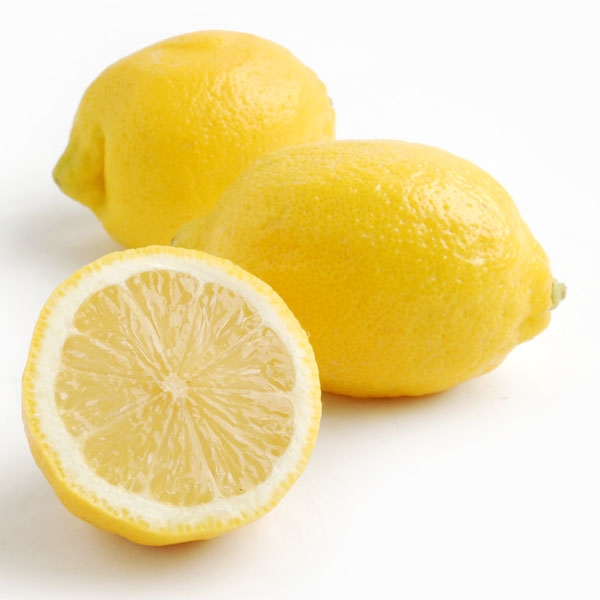
Lemon
Citric Acid.
Image result for lemon
Liquid
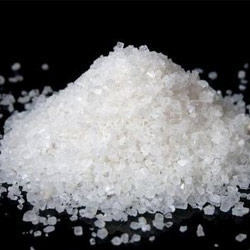
Salt
Sodium Chloride
Related image
Solid , soluble
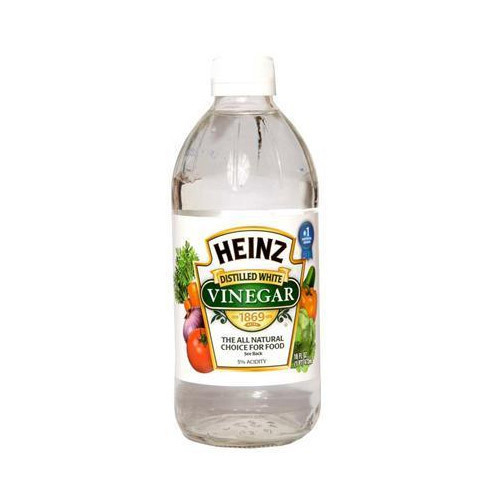
Vinegar
Acetic acid.
Image result for vinegar
Liquid
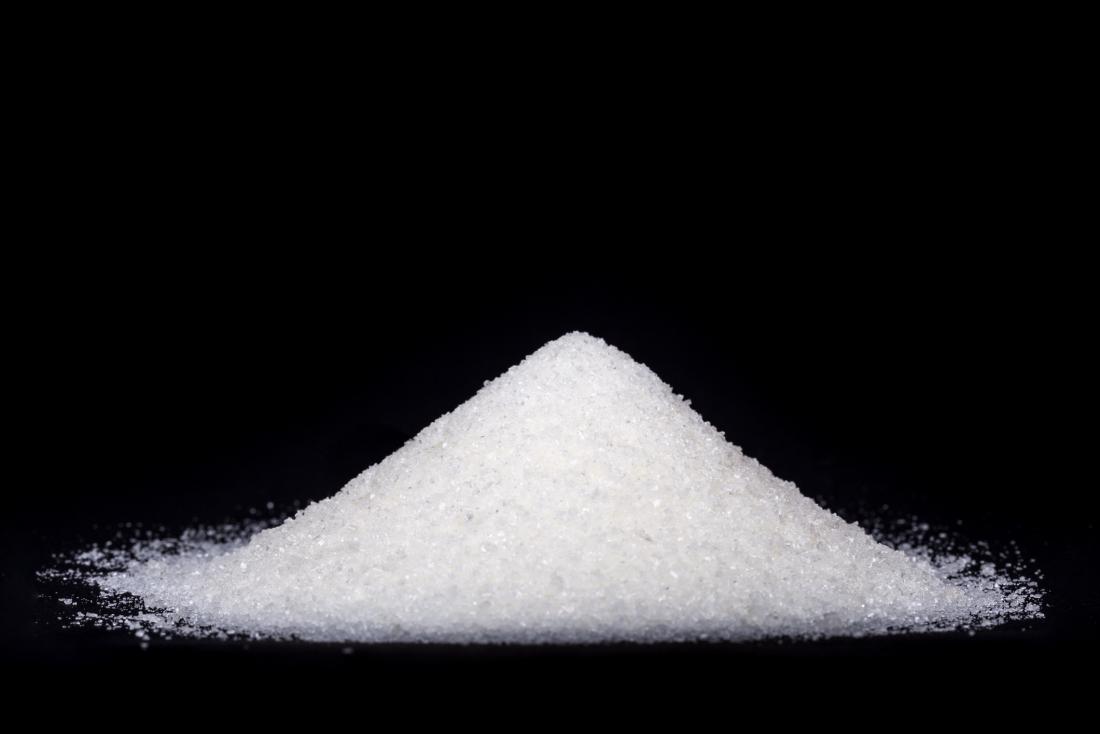
Sugar
lactose
Image result for sugar
soluble
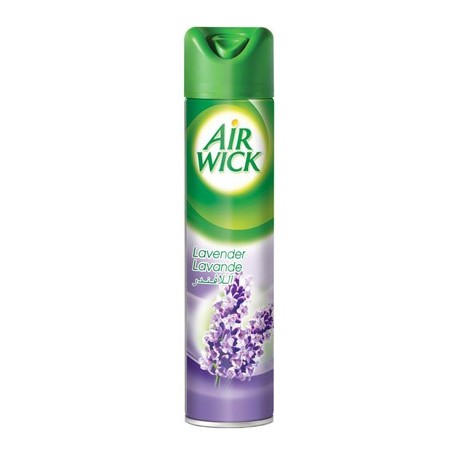
Air Freshener
Phthalates, alpha-pinene
Image result for air freshener
Liquid, gas
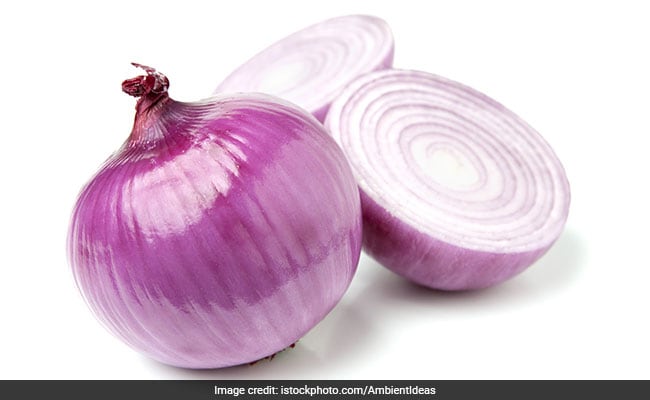
Onion
acid
Image result for onion
gas
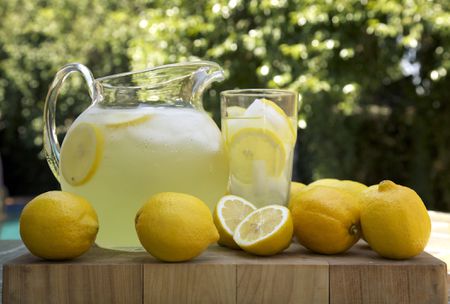
Lemonade
High fructose
Image result for lemonade
liquid
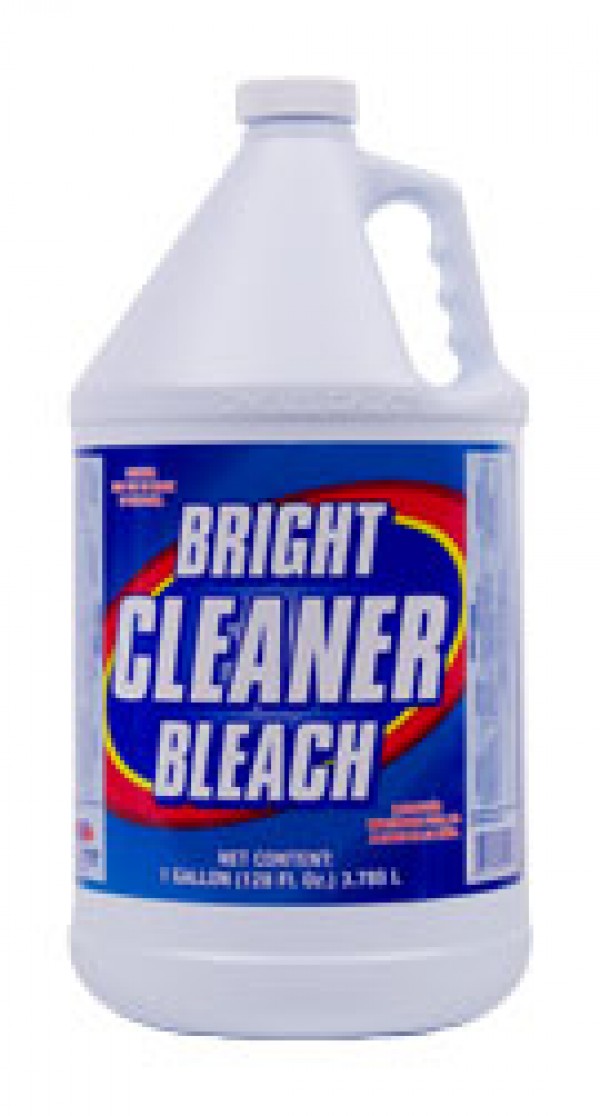
Bleach
Hydrogen peroxide
Image result for bleach cleaner
liquid
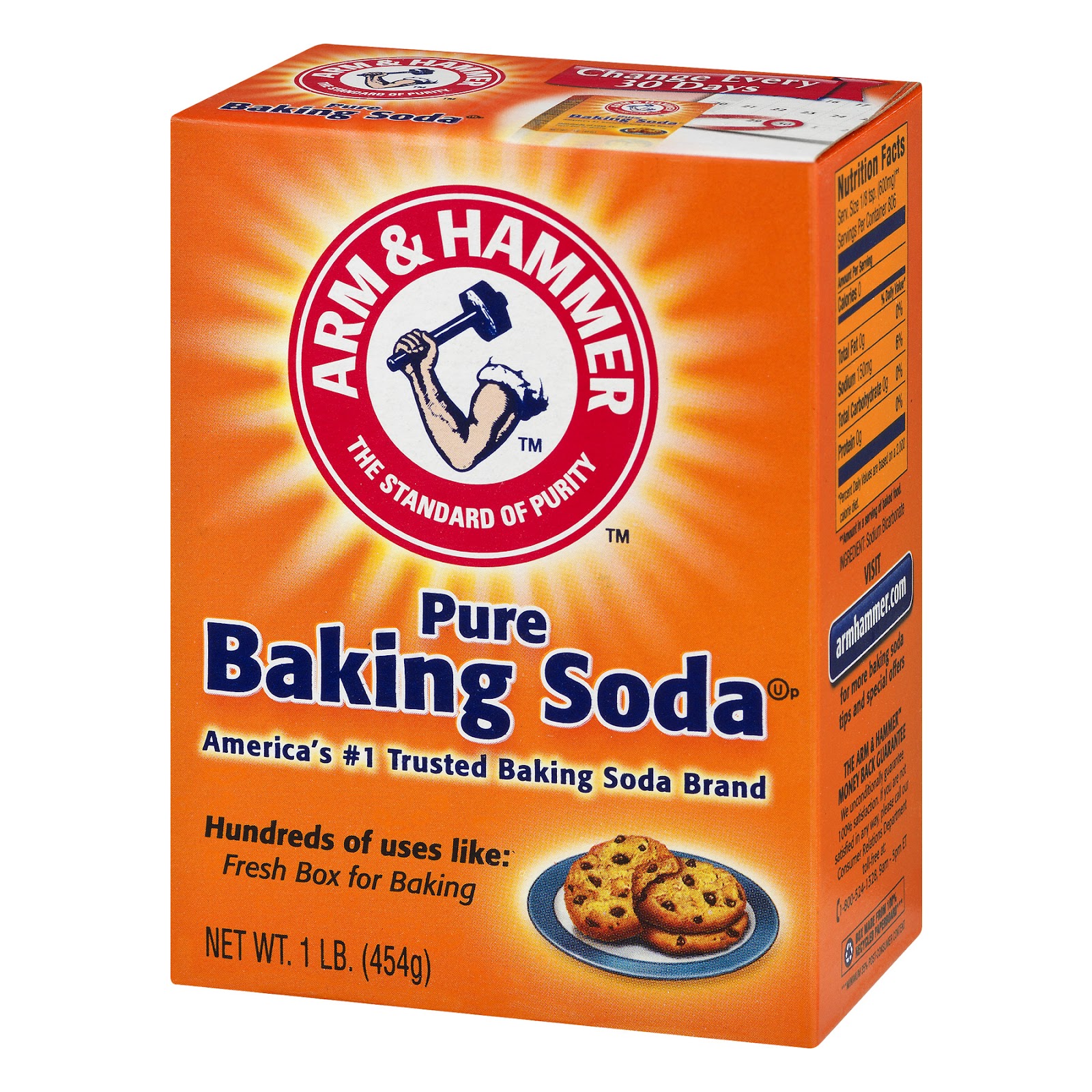
Baking soda.
Sodium bicarbonate
Image result for baking soda
soluble


    Also the exciting part is when Mr Palmer show a experiment.( Sorry don't have any picture of it)
  
  Materials: 
Baking soda
Vinegar
Water bottle that is empty 
And a Ballon.

 Method of the vinegar and the baking soda:

Put 12 to 1 ratio of vinegar and carefully put it in the container where the baking soda is meant to be placed in.

Observation of reaction:
When you adding the vinegar to baking soda it gives you an immediate reaction. Adding them together the reactions is delayed but then the reaction will fizzes the amount. If you put more vinegar is better but if you don’t put a lot it will not that kinda bit work, a 12 to 1 ratio of vinegar to baking soda it will cause a overload bubbled and fizzed reaction.